-
Hainan University, Haikou, Hainan Province, China
Hainan University, Haikou, Hainan Province, China
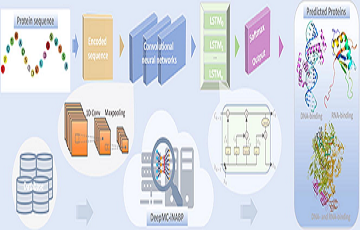
Deep learning for multiclass identification and classification of nucleic acid-binding proteins.
Go to service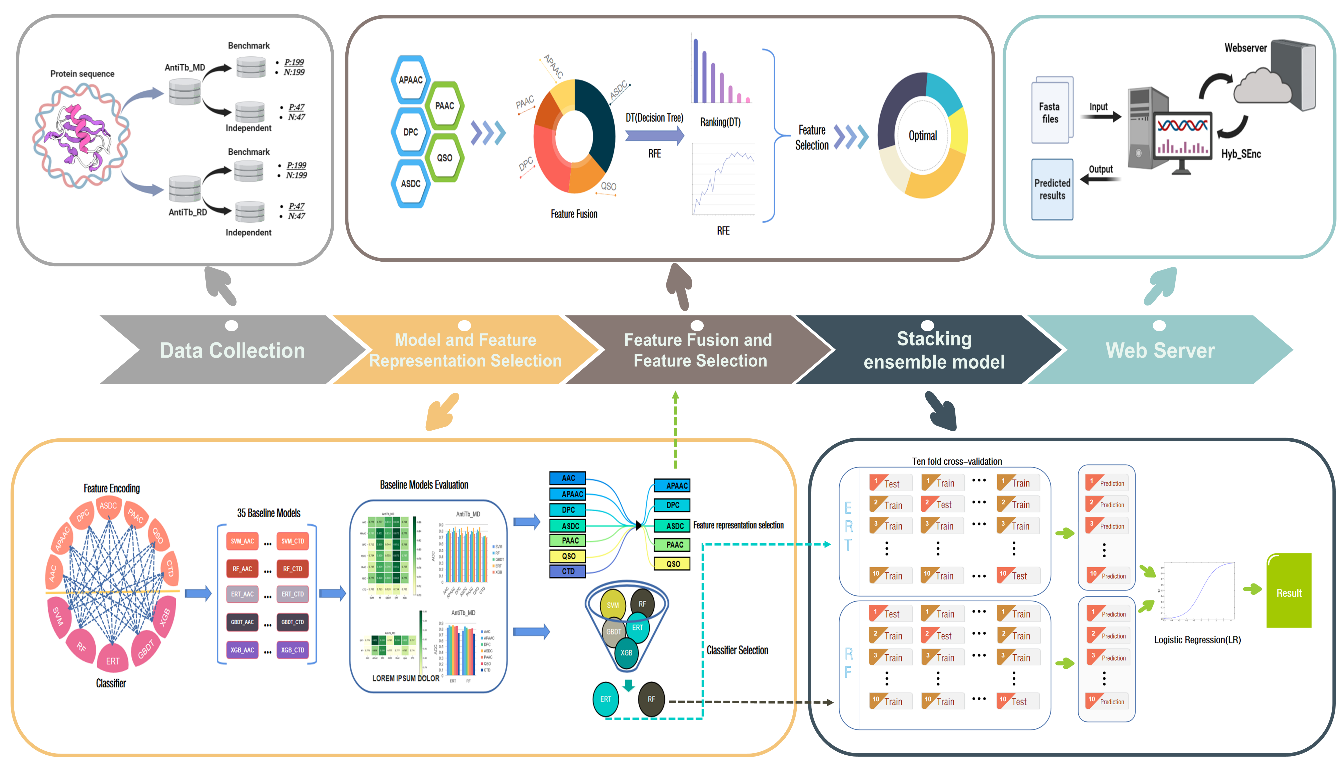
An Antituberculosis Peptide Predictor Based on a Hybrid Feature Vector and Stacked Ensemble Learning.
Go to service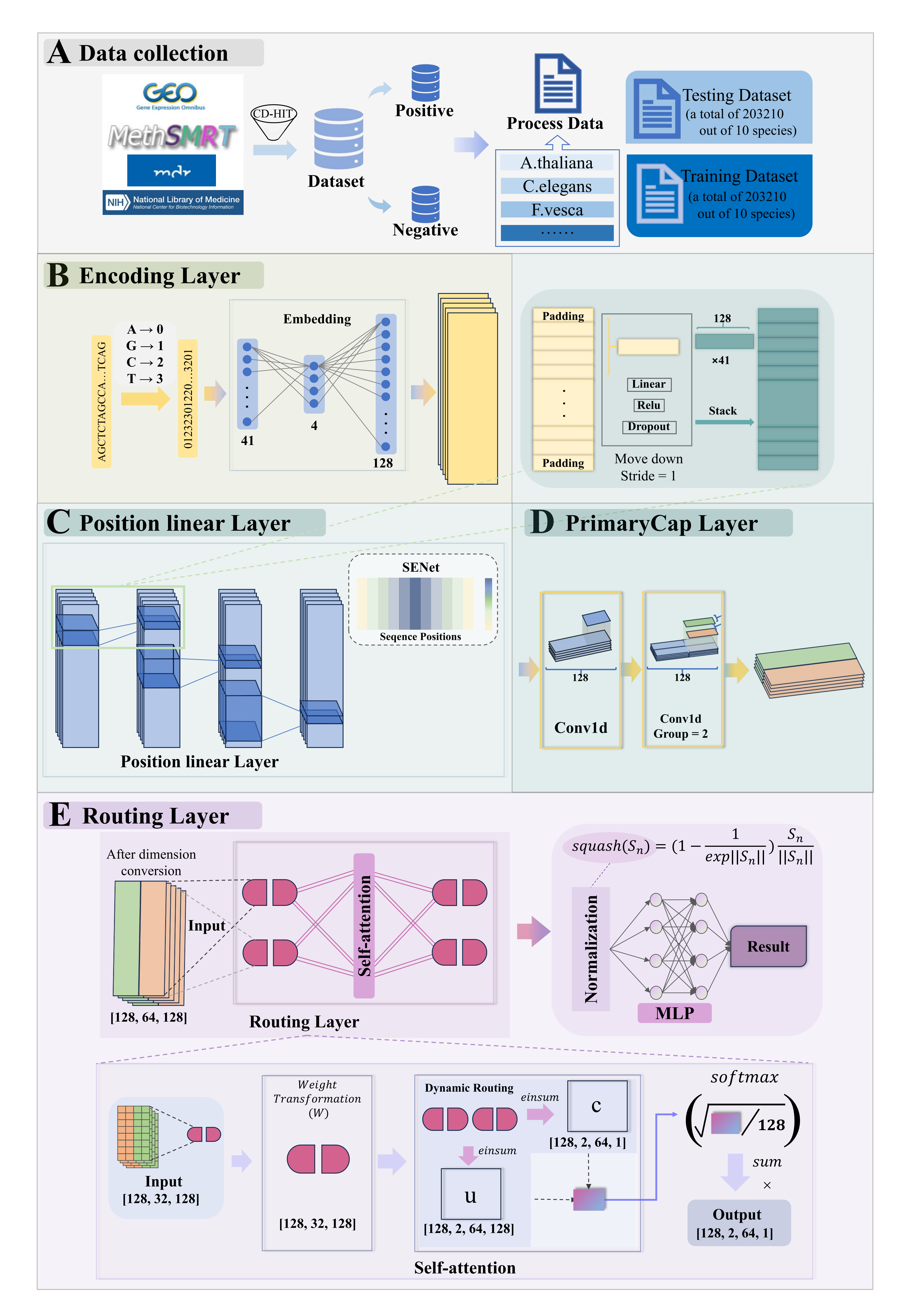
6mA site identifier using self-attention capsule network based on sequence-positioning.
Go to service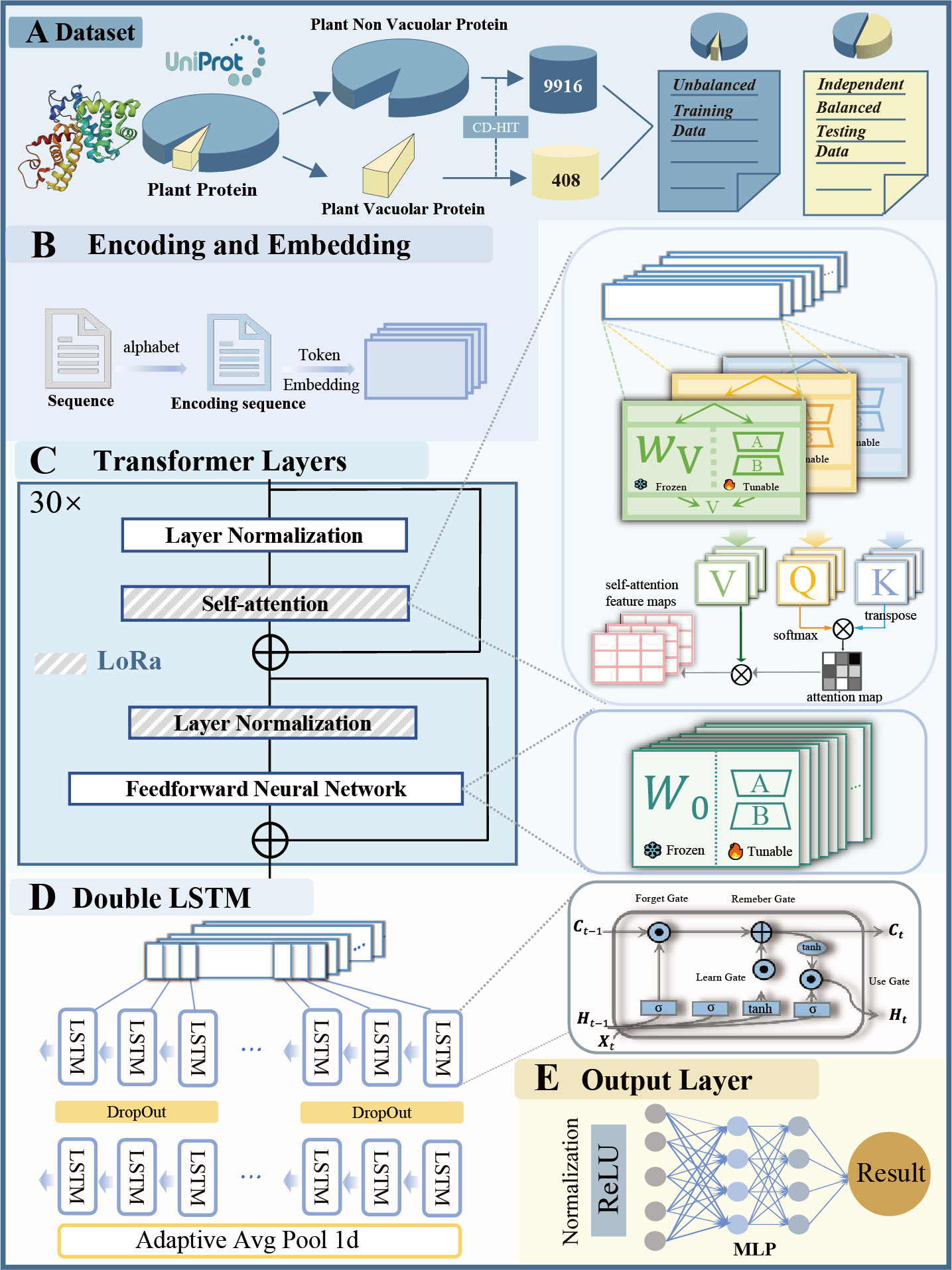
Application of Plant Vacuolar Protein Identifier Based on Low-rank Fine-tuning of ESM2 Model Using LoRa Technology and bilayer LSTM on Unbalanced Datasets
Go to service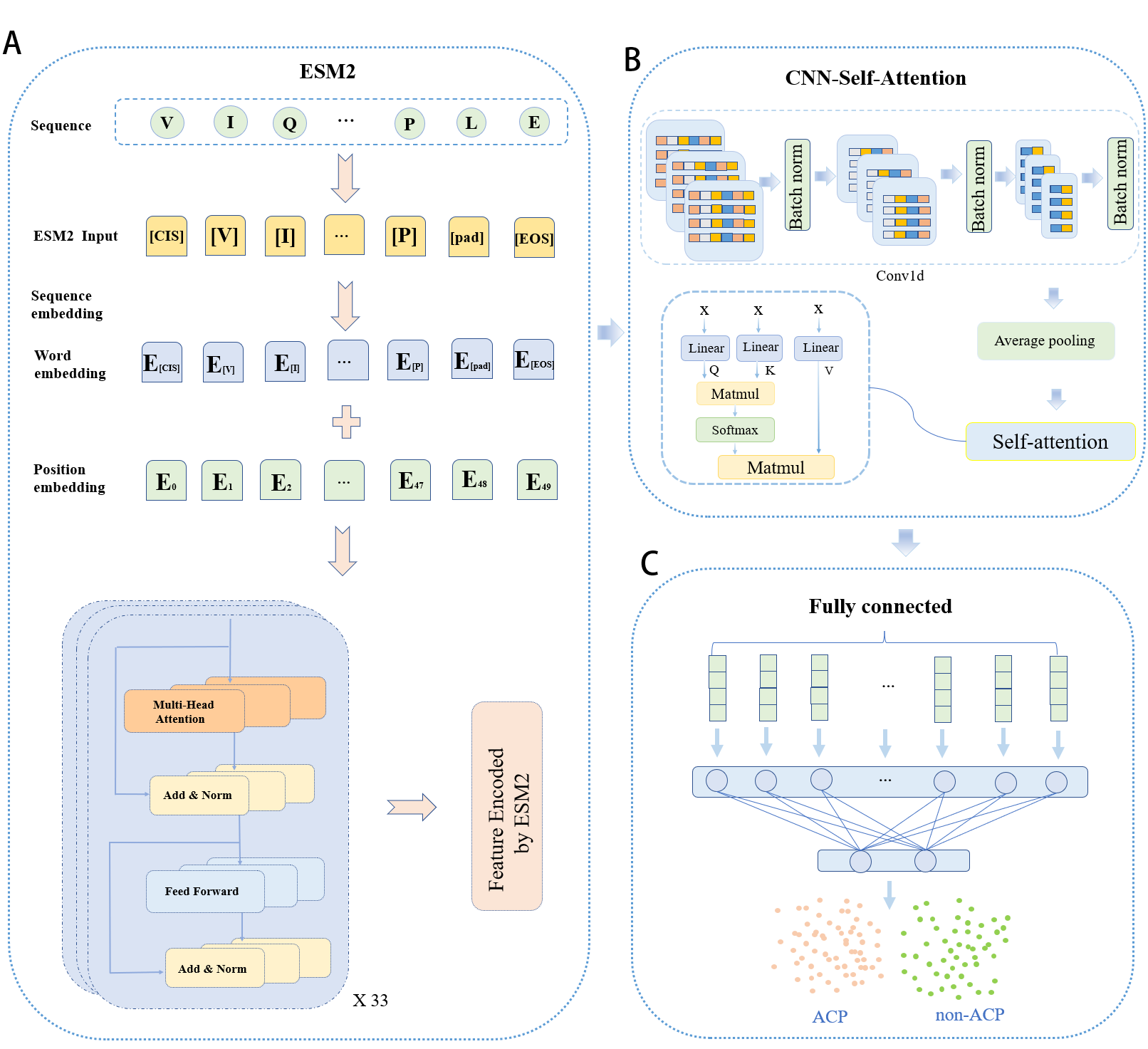
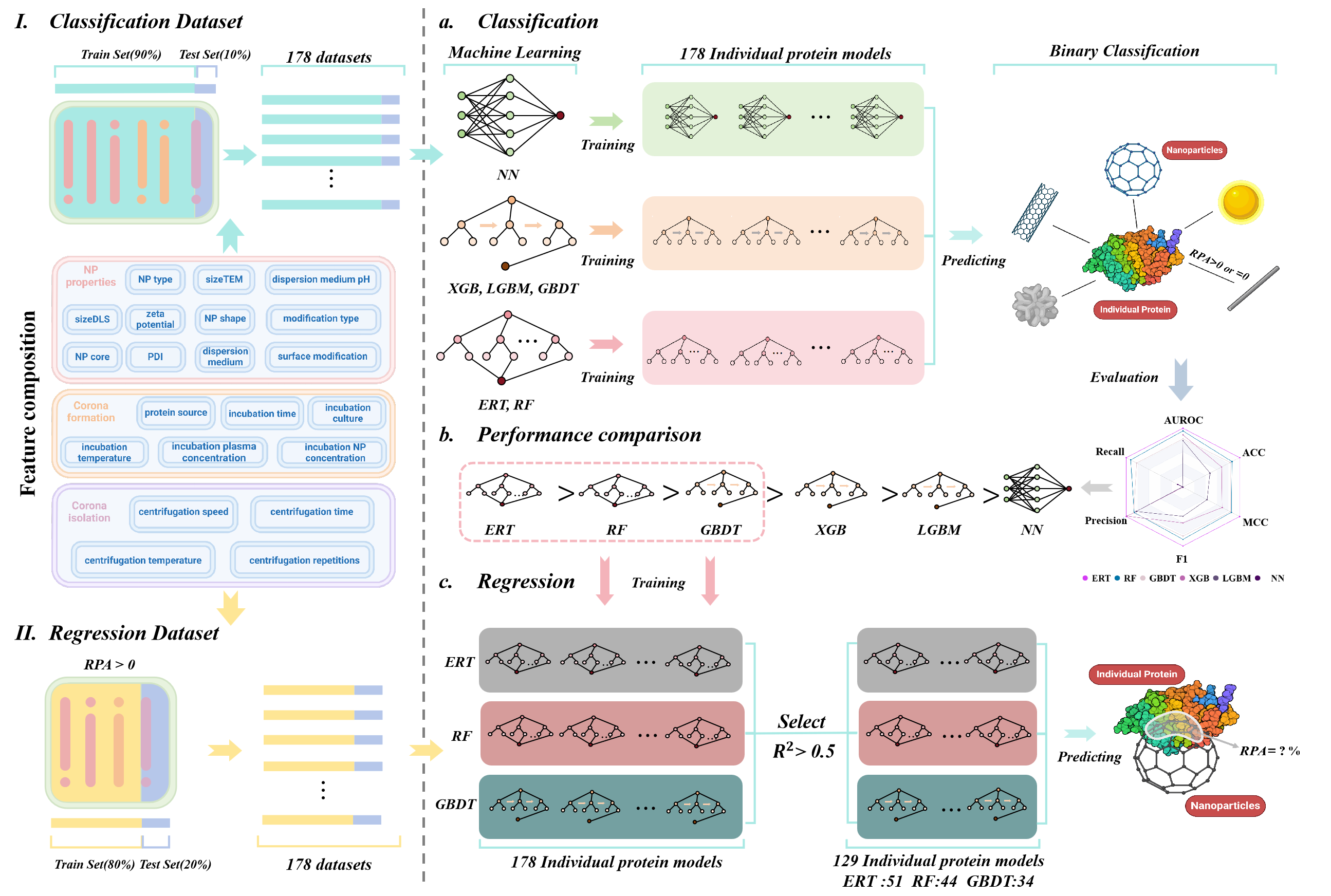
Machine learning enables comprehensive prediction of the relative protein abundance of multiple proteins on the protein corona.
Go to service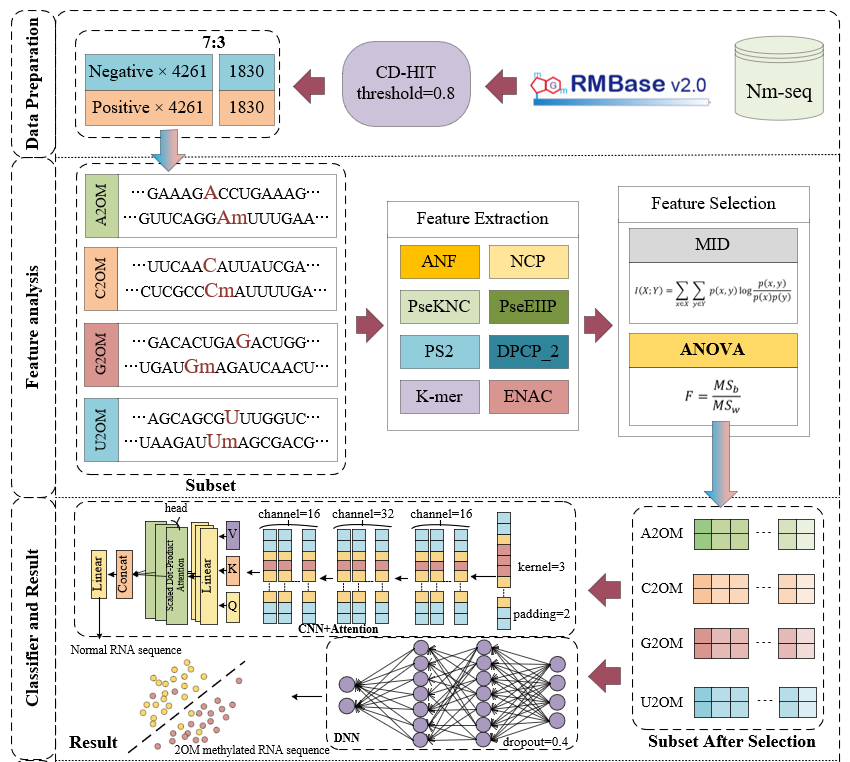
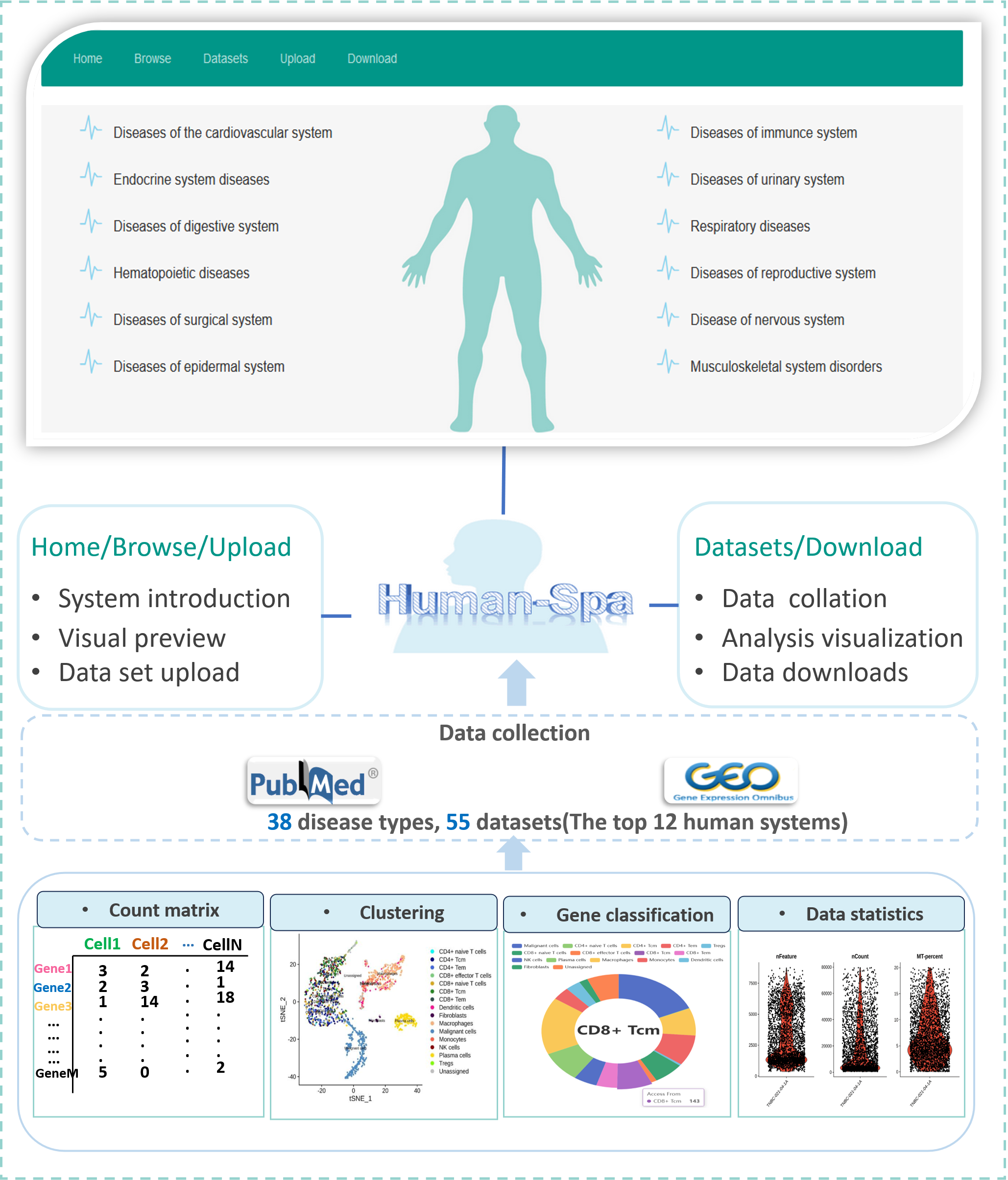
An Online Platform Based on Spatial Transcriptome Data for Diseases of Human Systems.
Go to service
A one-stop tool website that integrates multiple RNA site databases and servers.
Go to service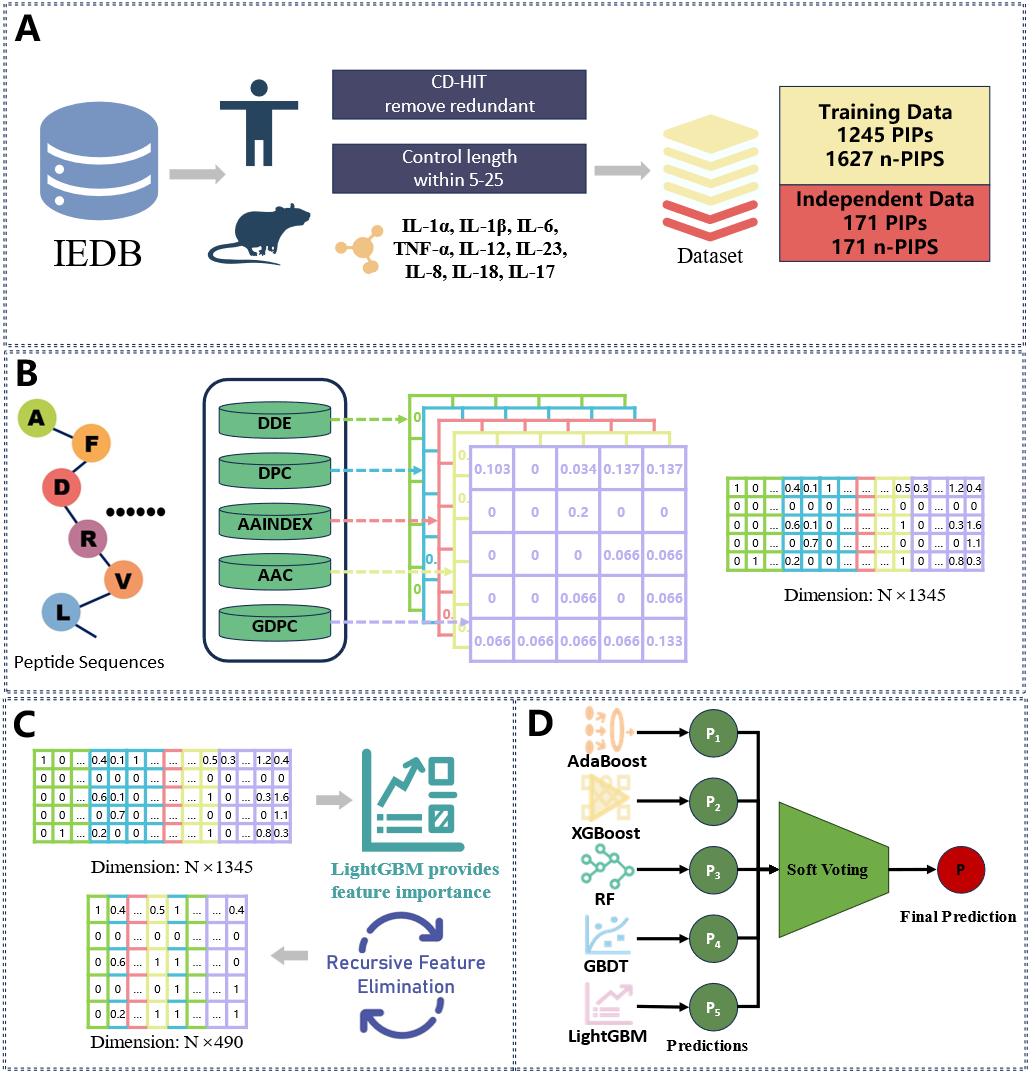
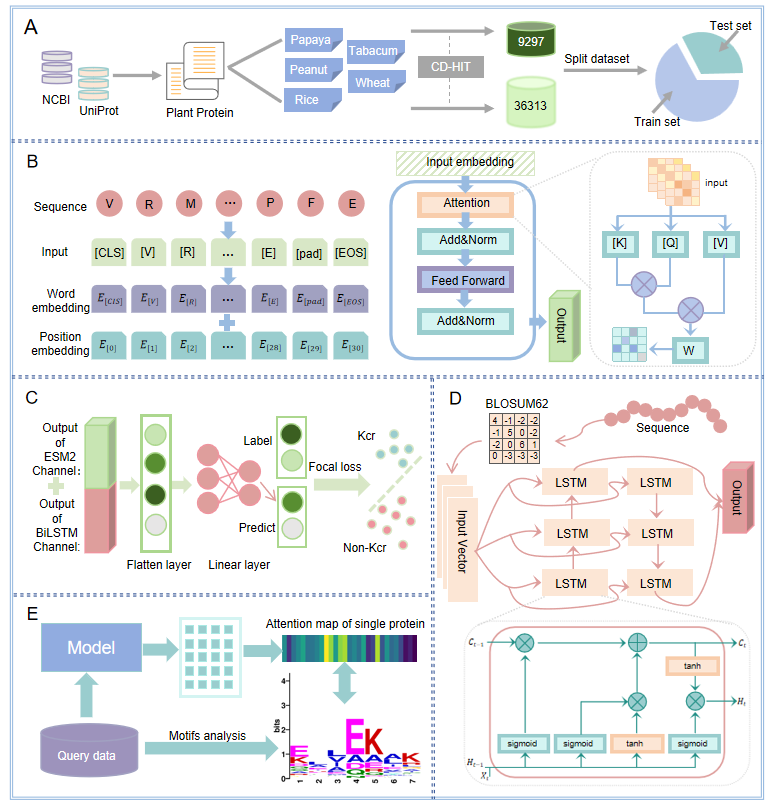
explainable deep learning framework for the prediction of crotonylation sites of non-histone lysine in plants based on pre-trained protein language model.
Go to service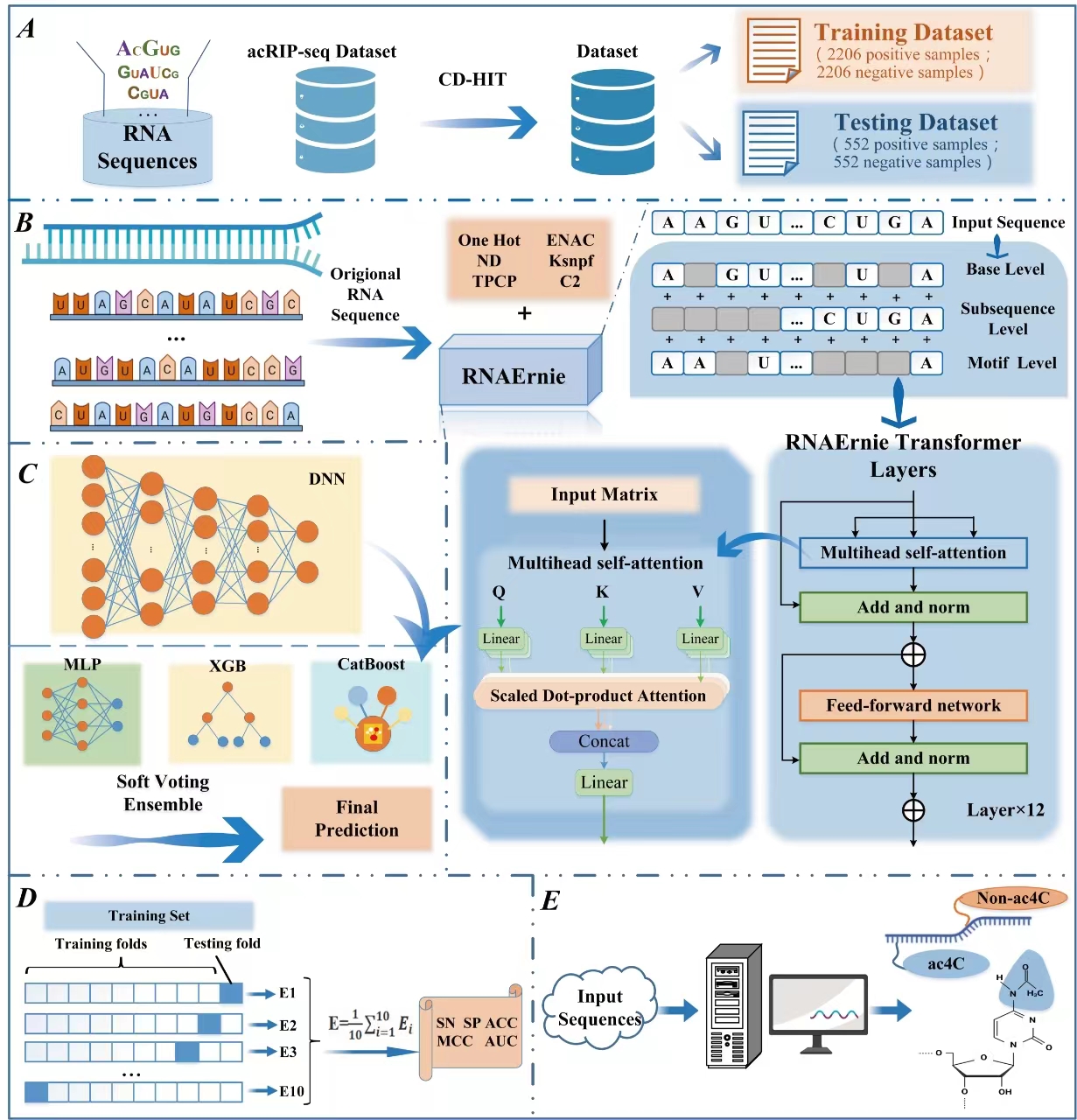
Pre-trained large RNA language model enhances RNA N4-acetylcytidine site prediction.
Go to service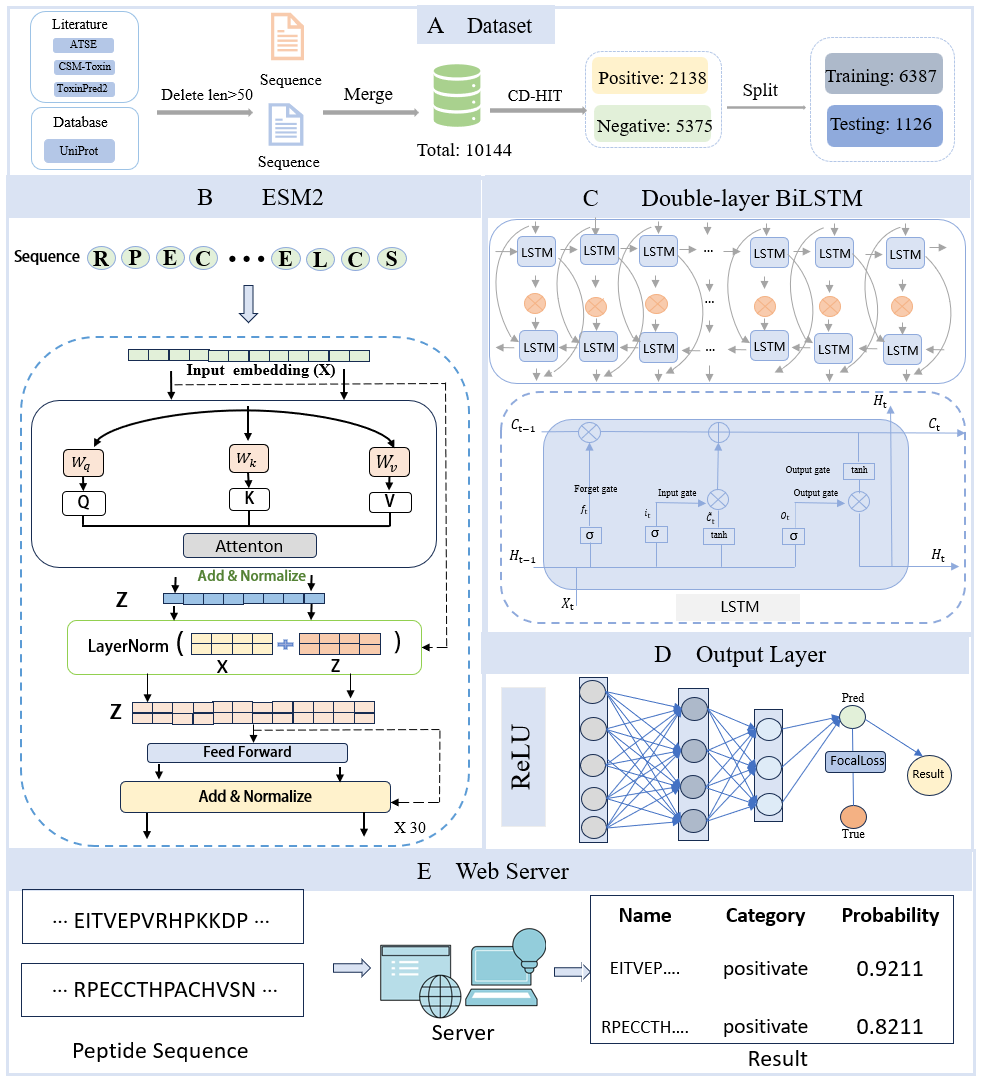
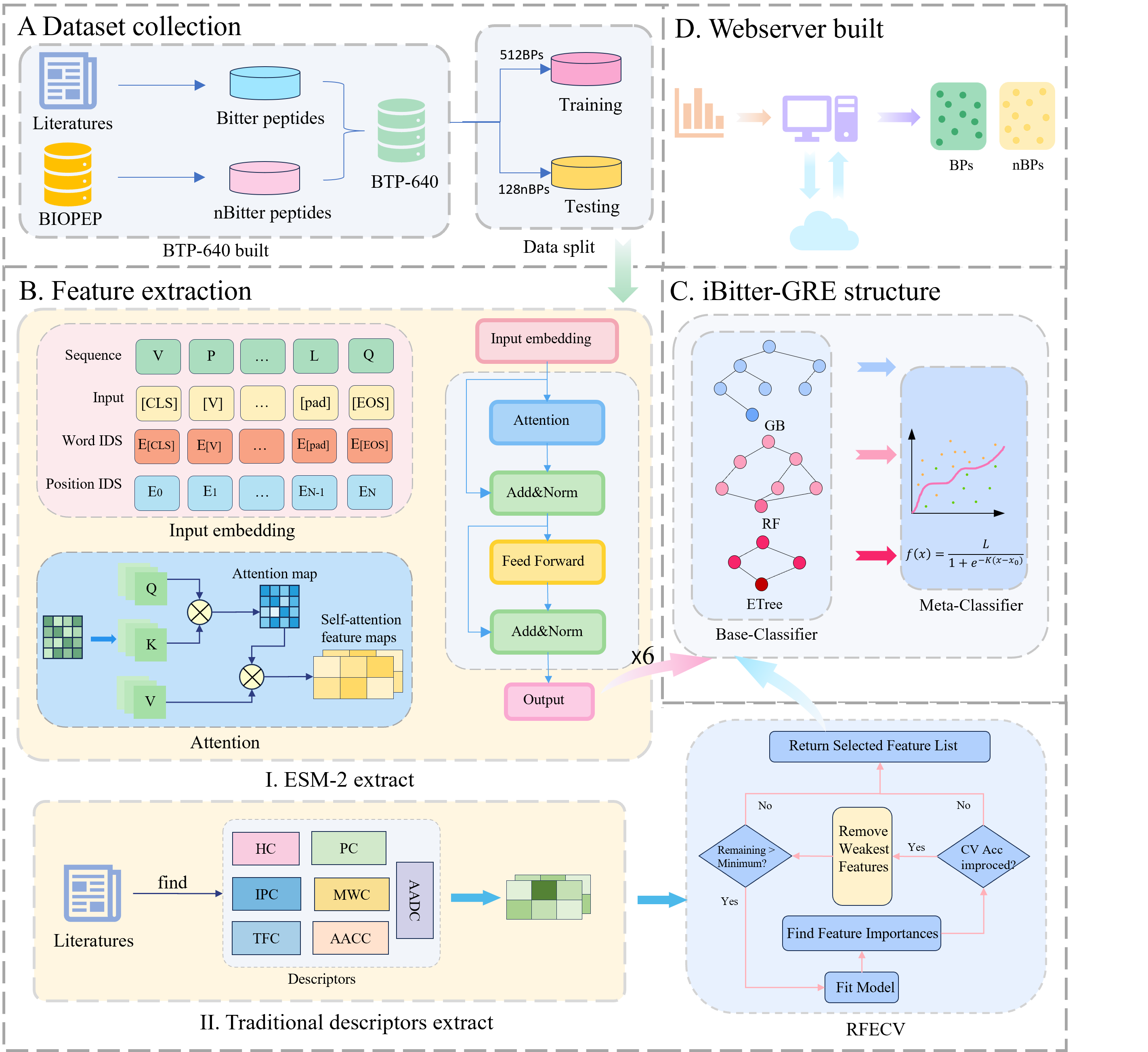
A Novel Stacked Bitter Peptide Predictor with ESM-2 and Multi-View Features.
Go to service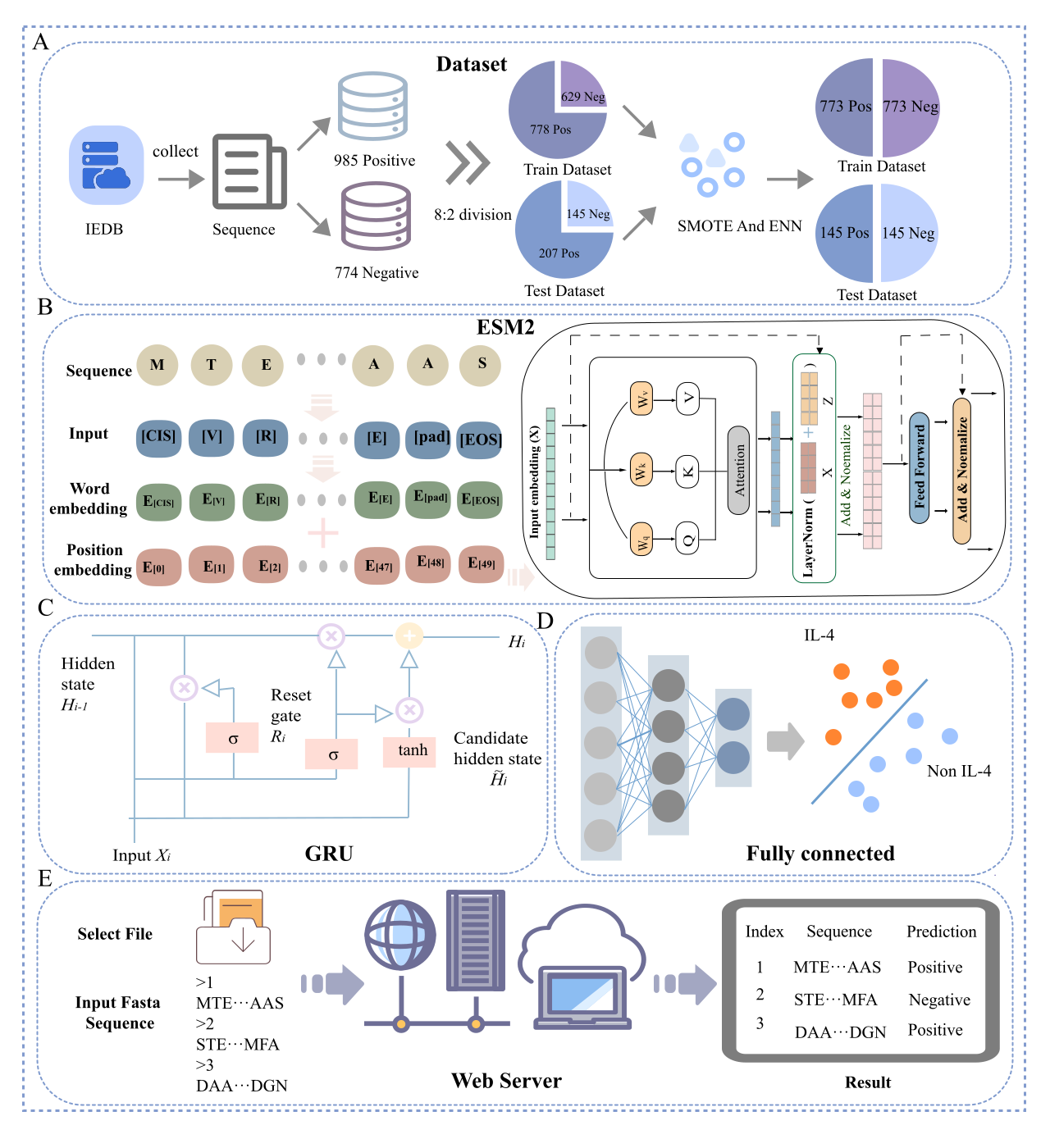
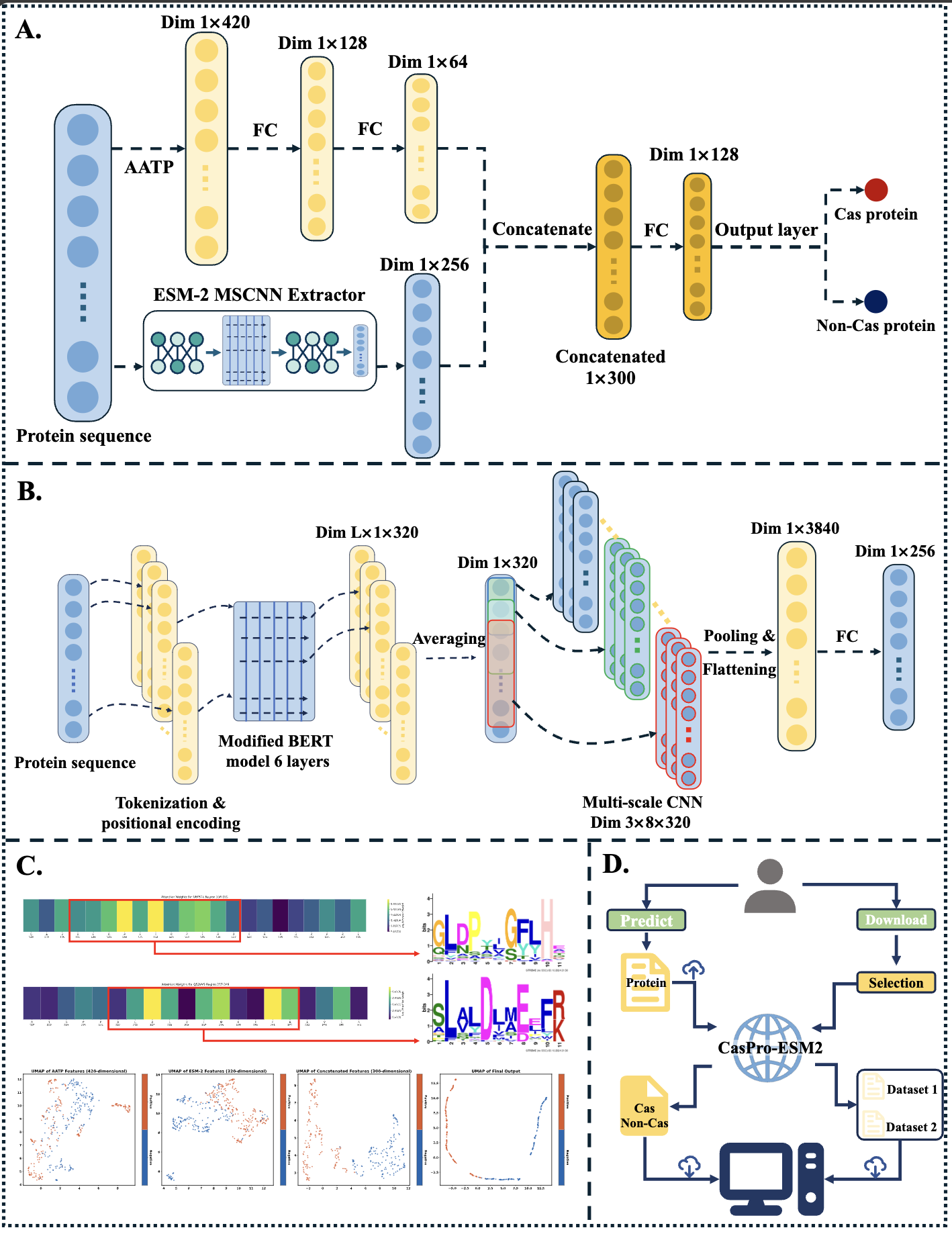
A Tool for Identifying Cas Proteins Based on the ESM-2 Protein Language Model.
Go to service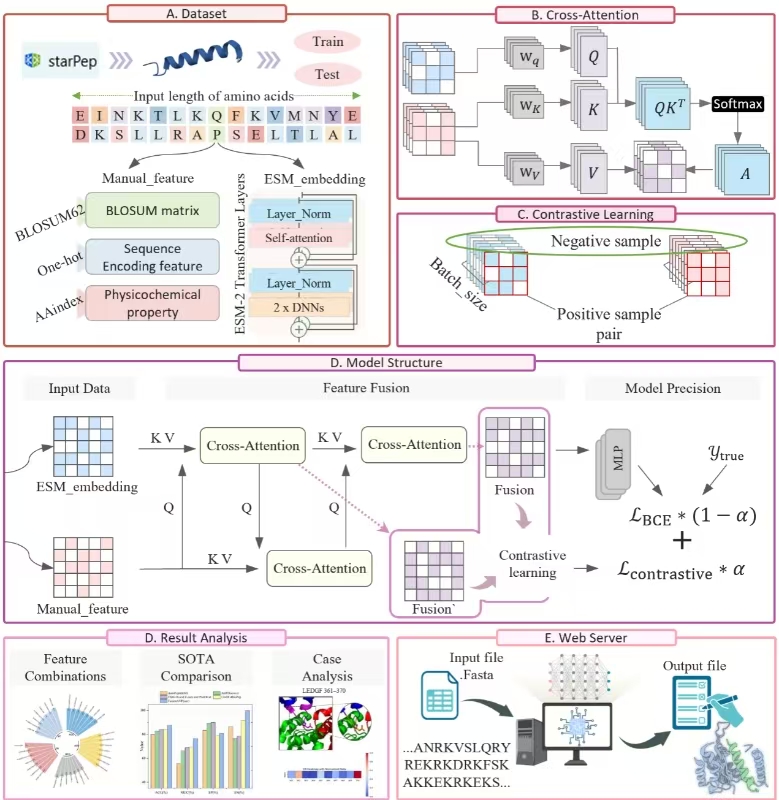
Multimodal Fusion Strategy for Enhancing Robust Antiviral Peptide Classification.
Go to service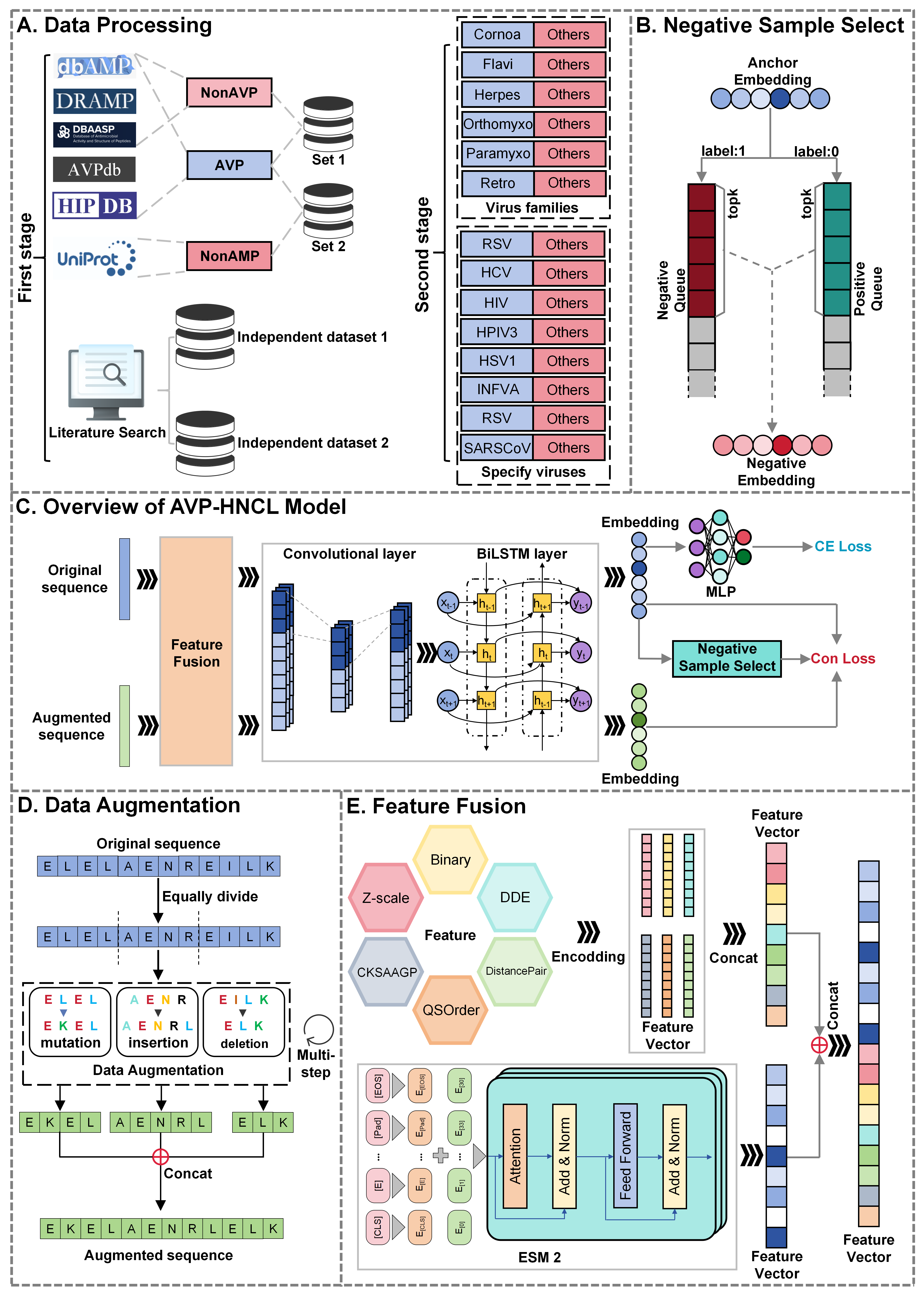
Innovative Contrastive Learning with Queue-based Negative Sampling Strategy for Dual-Phase Antiviral Peptide Prediction.
Go to service
An Interpretable Deep Learning Framework for Anticancer Peptide Prediction Utilizing Pre-trained Protein Language Model and Multi-view Feature Extracting Strategy.
Go to service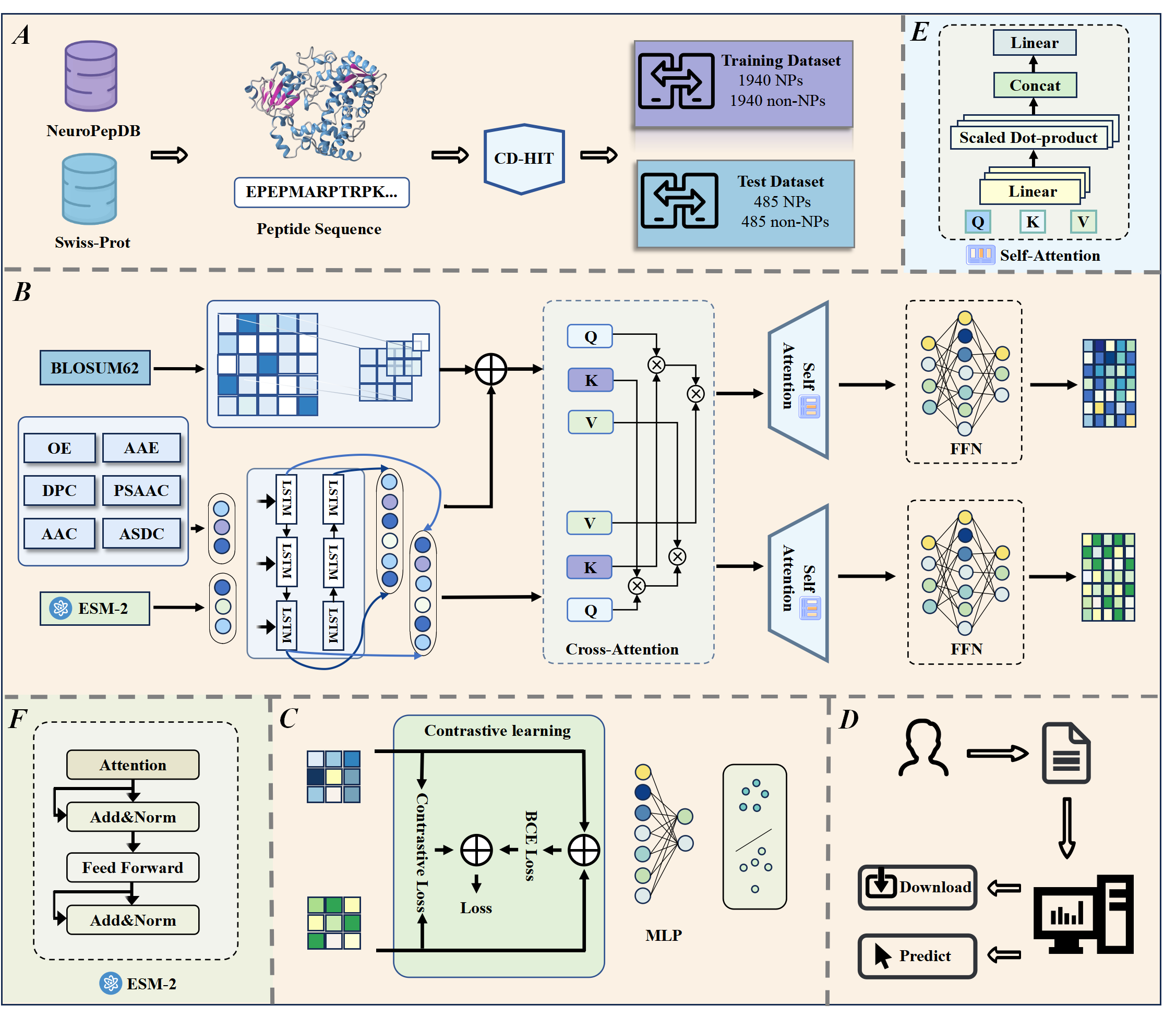
A deep-learning approach for identifying neuropeptides based on contrastive learning
Go to service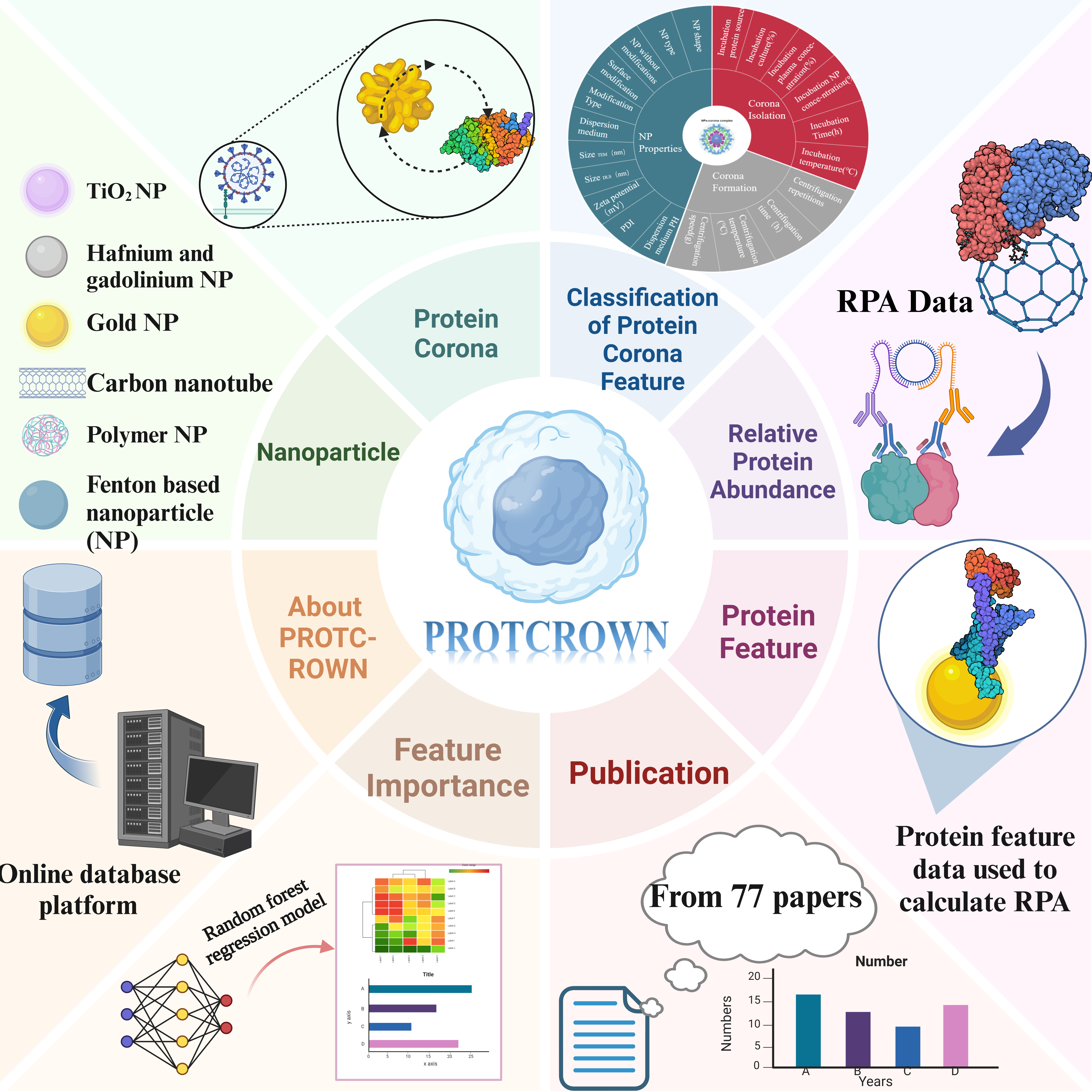
A Manually Curated Resource of Protein Corona Data for Unlocking the Potential of Protein–Nanoparticle Interactions.
Go to service
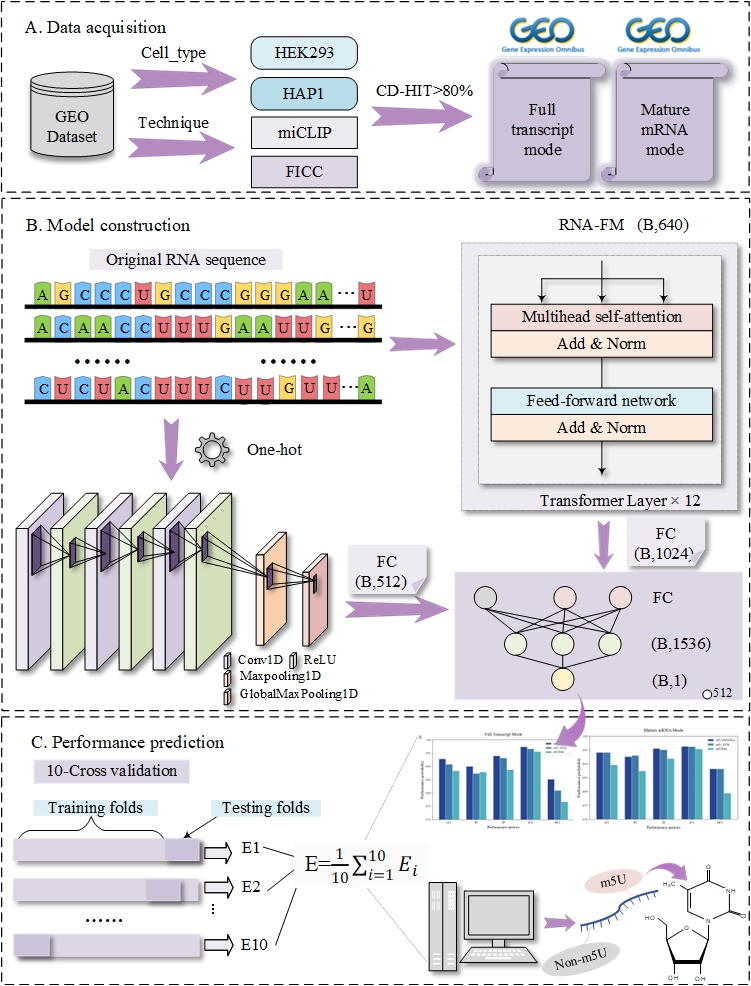
Integrating an RNA Foundation Model with CNN Features for Accurate Prediction of 5-Methyluridine Modification Sites.
Go to service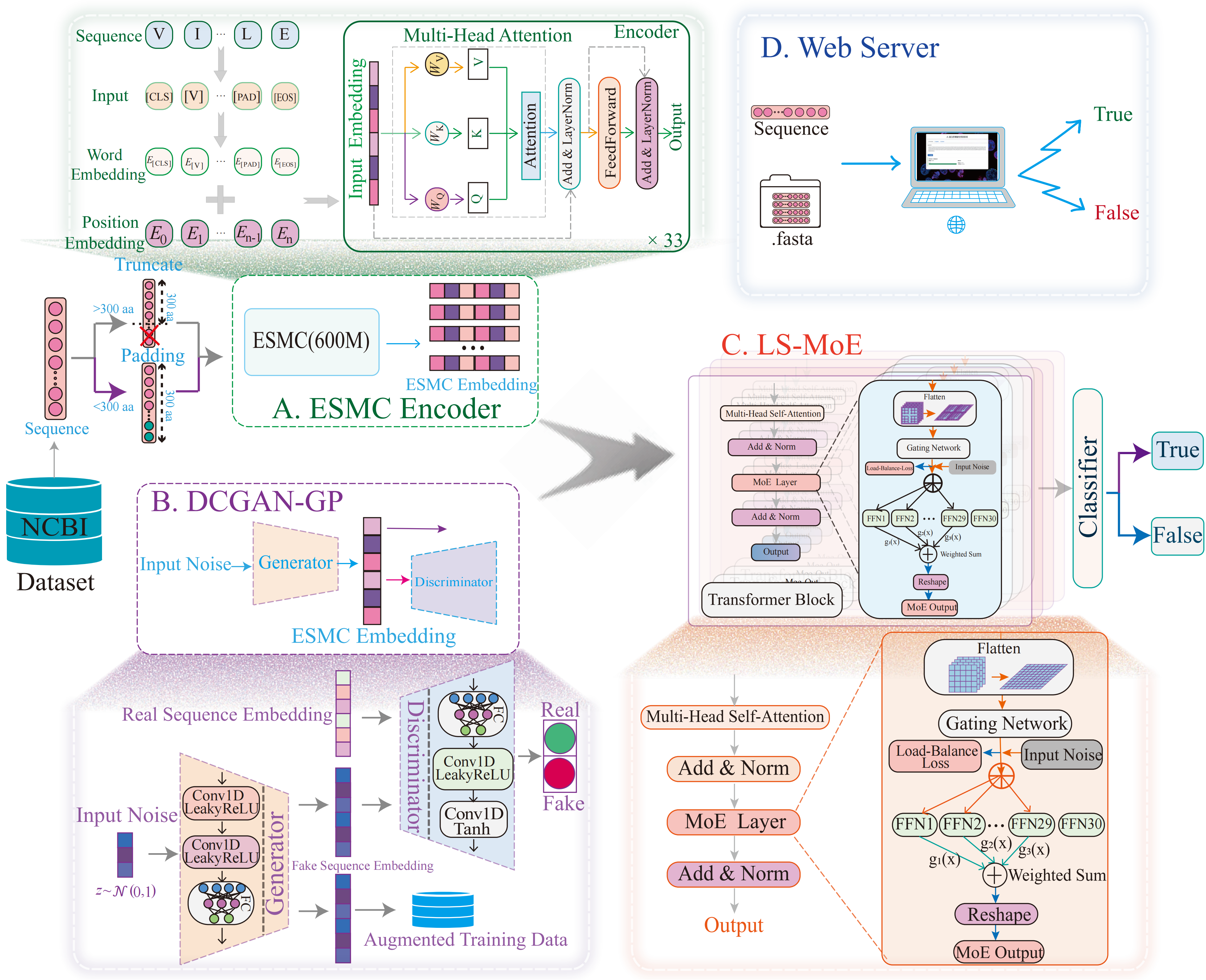
Acidophilic Protein Classification via DCGAN-GP Enhanced Embeddings and Lightweight Sparse MoE Transformer.
Go to service
An Amyloid Protein Prediction Model Based on Protein Pre-trained Large Models and an Attention-Fusion Strategy.
Go to service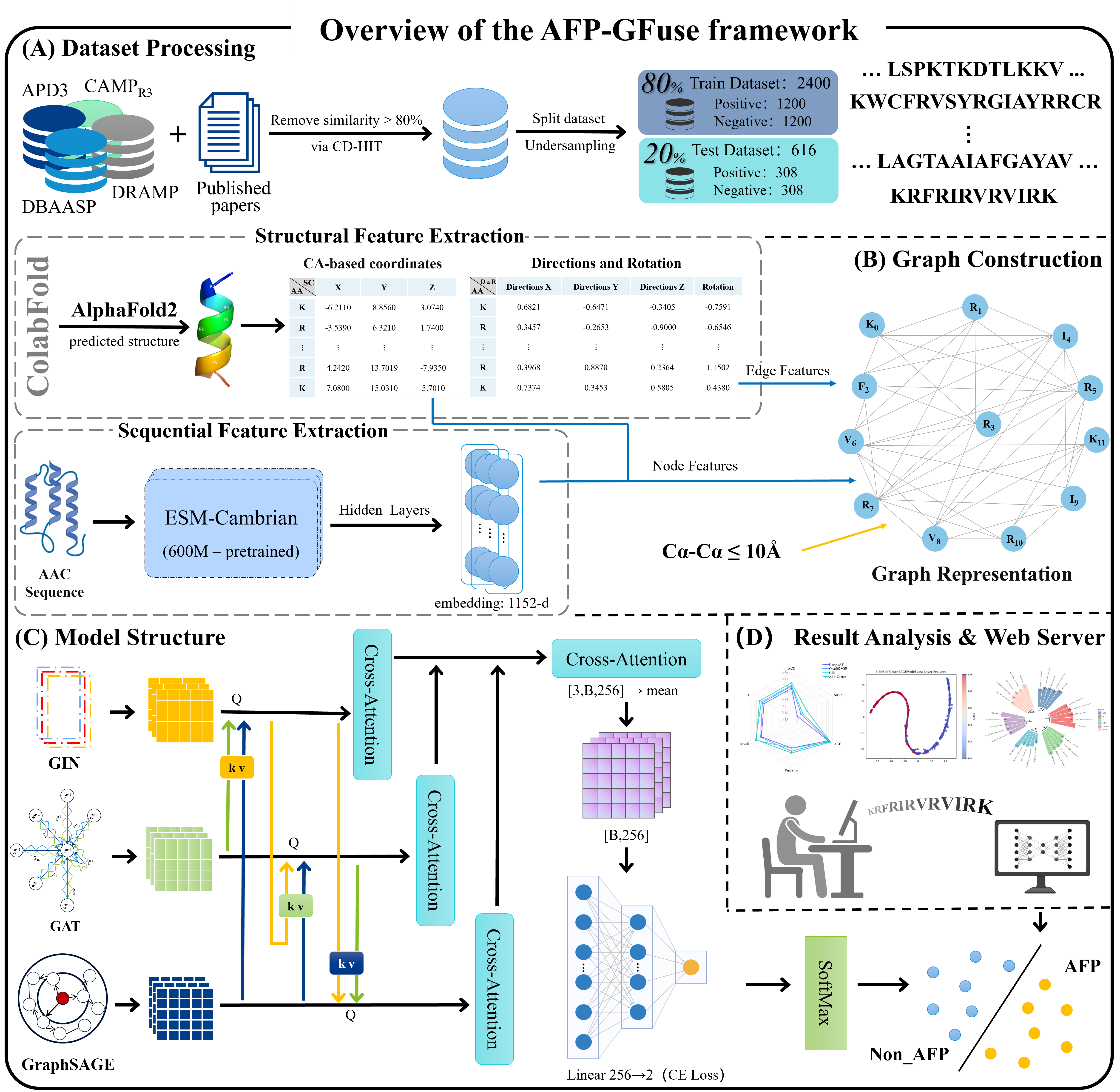
An Antifungal Peptide Identification Model with Structural Information Fusion via Multi-Graph Neural Networks and Cross-Attention Mechanism
Go to service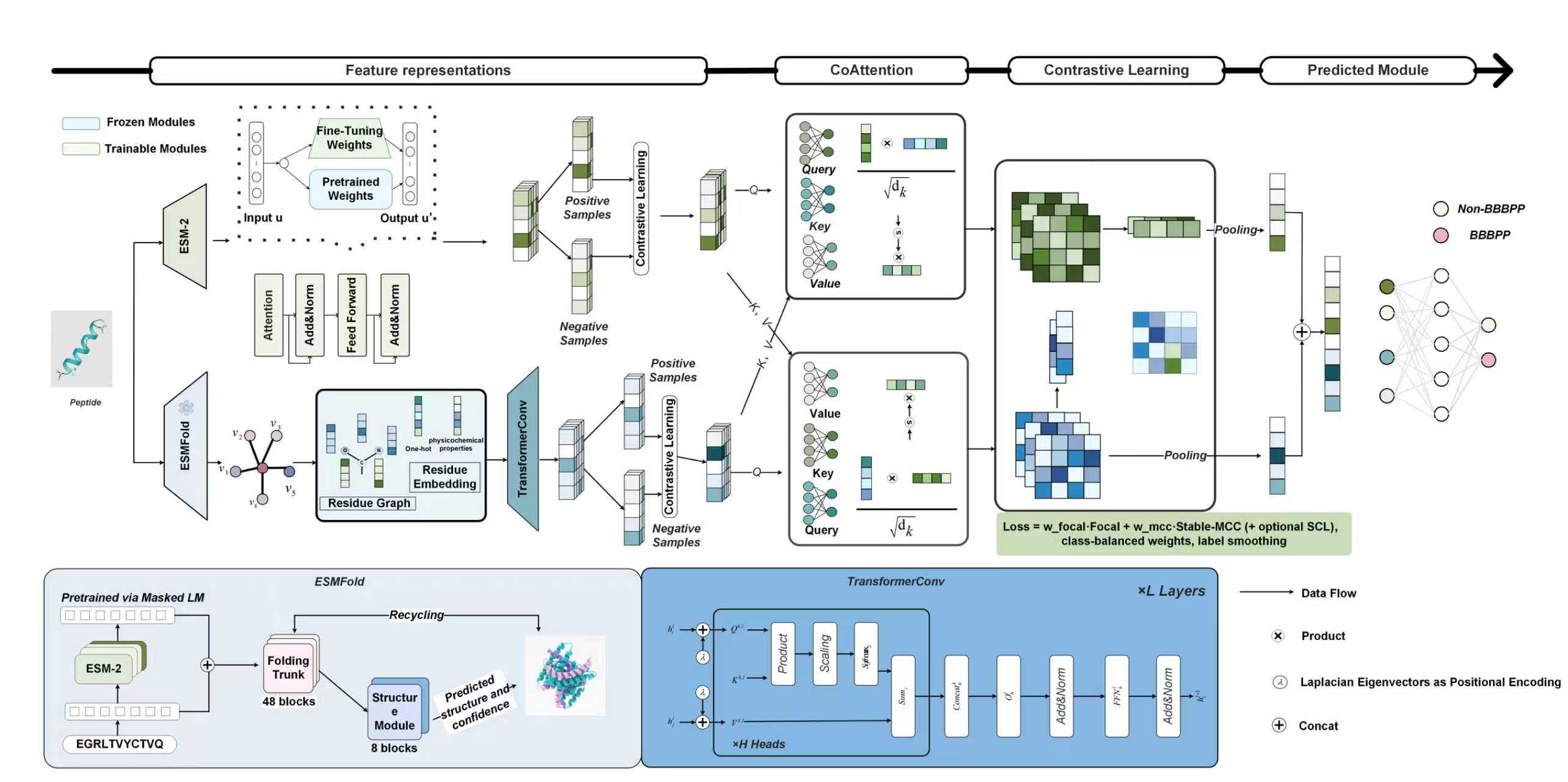
A Multi-Modal and Interpretable Co-Attention Framework Integrating Property-Aware Explanations and Memory-Bank Contrastive Fusion for Blood–Brain Barrier Penetrating Peptide Discovery
Go to service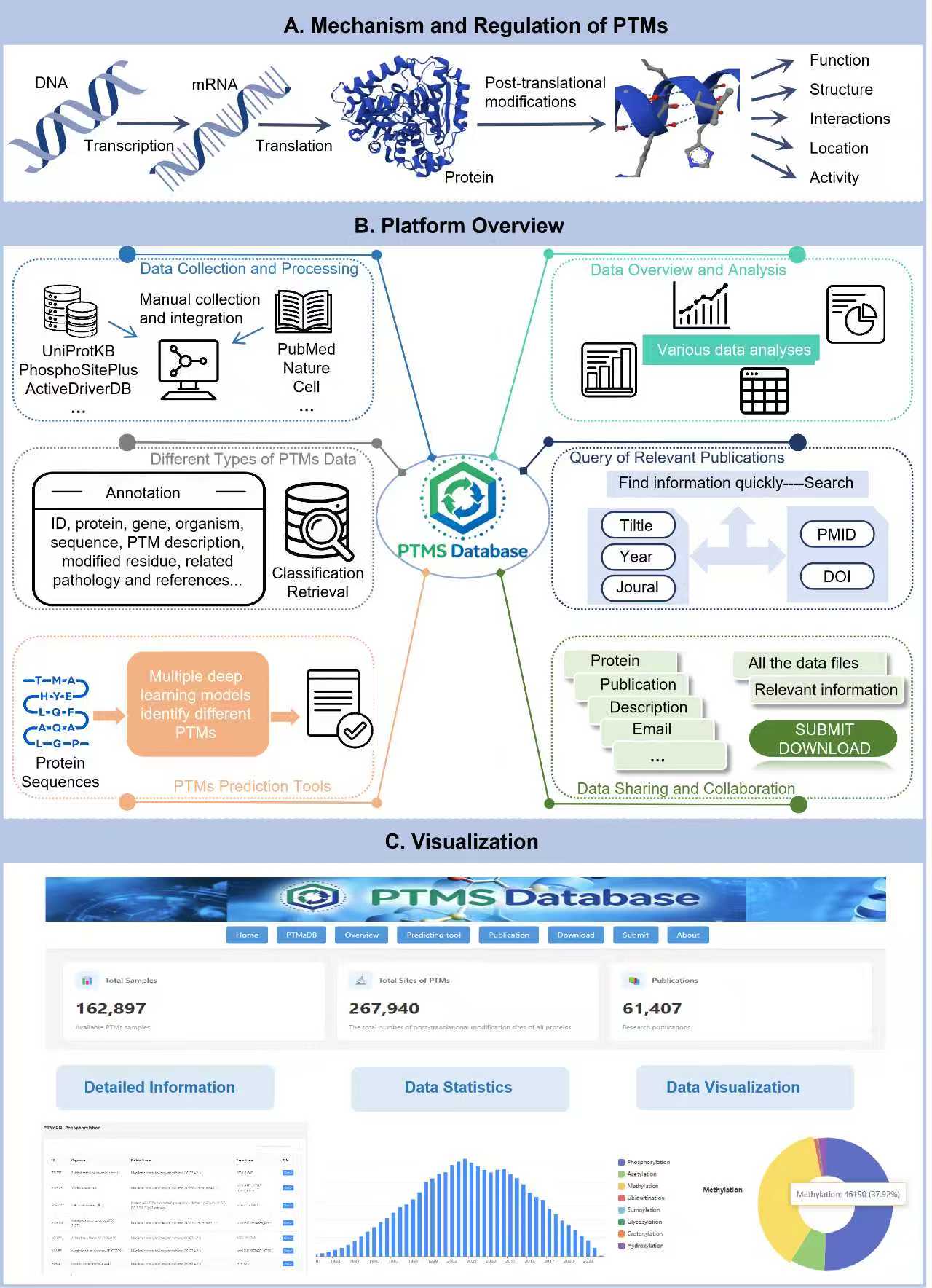
An Integrated Database for Comprehensive Retrieval and Analysis of Key Protein Post-translational Modification Sites
Go to service